
Making $100 a Day With Sports Betting: Methods I Tested and Lessons Learned
Earning a consistent daily amount from sports betting is often discussed online, but it is not a simple or universally achievable outcome.
Some bettors experiment with approaches based on odds comparison, probability, and disciplined execution, although results vary widely depending on experience, market access, and restrictions.
There are examples of bettors who have generated short-term or intermittent income using these techniques, but sustaining the same results over long periods is difficult.
Many strategies face practical limitations over time, including account restrictions, changing odds, and market efficiency.
Below, I outline the main approaches I personally tested, along with their limitations and risks, rather than presenting them as guarantees.
⚠️ Important Legal & Risk Disclosure
Sports betting laws, regulations, and permitted practices vary significantly by country, state, and jurisdiction. The information on this page is provided for educational and informational purposes only and does not constitute financial, legal, or gambling advice.
Sports betting always involves financial risk, including the possibility of losing part or all of the money wagered. No betting strategy, software, or method can guarantee profits or consistent outcomes.
Some strategies discussed may be restricted, limited, or discouraged by certain bookmakers, and availability depends on local laws, bookmaker terms, and individual account status.
Readers are responsible for ensuring that any betting activity they engage in is legal in their location and complies with the terms of the betting platforms they use.
Can you realistically average $100 a day with sports betting?
Certain betting methods, such as arbitrage betting, matched betting, and value betting, are sometimes used early in a bettor’s learning process to explore how odds and probabilities work.
In favorable conditions and over limited periods, some bettors may experience days or weeks with higher returns, though this is not consistent or predictable.
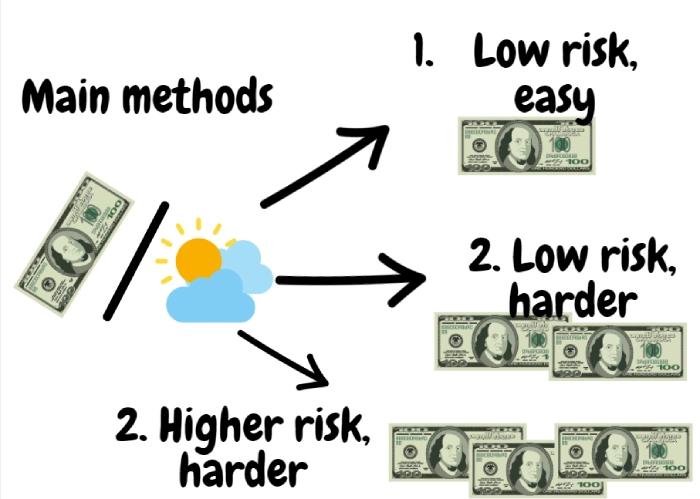
Professional bettors generally focus on markets where odds appear inefficient, rather than trying to predict outcomes based on intuition.
Many structured betting approaches are built around identifying pricing discrepancies, not forecasting winners.
Over longer time horizons, it is more realistic to think in terms of monthly variance rather than fixed daily income targets.
Sportsbooks do not generally support betting accounts being used as steady income sources, which is why access, limits, and account longevity become constraints.
One commonly used tool category involves odds comparison software, which helps bettors view prices across multiple sportsbooks.

These tools scan a large number of betting markets and display differences in odds, which can be used for analysis.
They are often used in combination with football betting system concepts such as:
- Arbitrage betting – structuring bets across outcomes to reduce exposure, while accepting operational risk
- Value betting – identifying odds that appear higher than estimated probabilities, without covering all outcomes
- Matched betting – using promotional offers to offset risk while meeting wagering requirements

From my experience, bettors who rely on mathematical reasoning and disciplined execution generally have a better chance of managing risk.
These approaches can be applied across multiple sports, including football, tennis, and basketball, though none guarantee consistent income.
1. Covering outcomes with arbitrage betting
Bookmakers occasionally publish odds that differ across markets or operators.
In some cases, these differences may create situations where exposure can be balanced, though such opportunities are often brief.
From a mathematical perspective, these situations may offer a temporary pricing inefficiency, rather than a guaranteed advantage.
For example, if one sportsbook offers higher odds than implied probability models suggest, that difference can be analyzed.
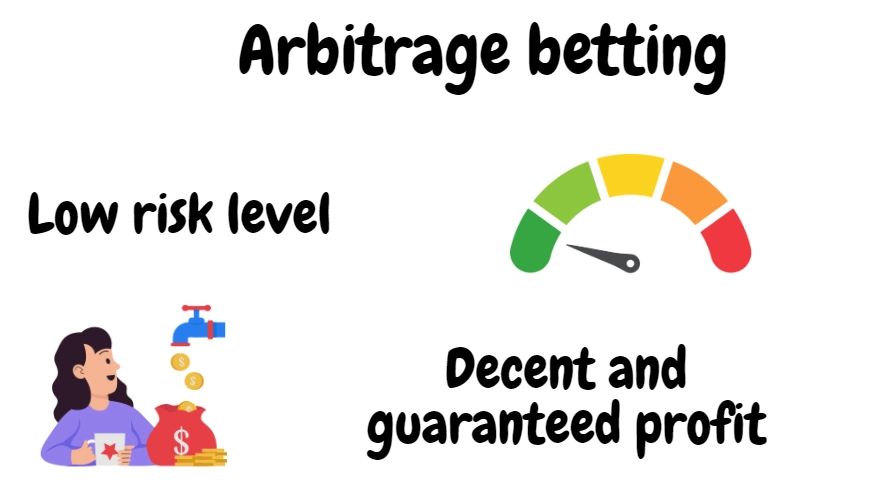
The most common structure for this approach is known as arbitrage betting, which involves placing offsetting bets across outcomes.
When conditions are precise and execution is correct, returns may be low-margin but relatively stable, subject to operational risk.
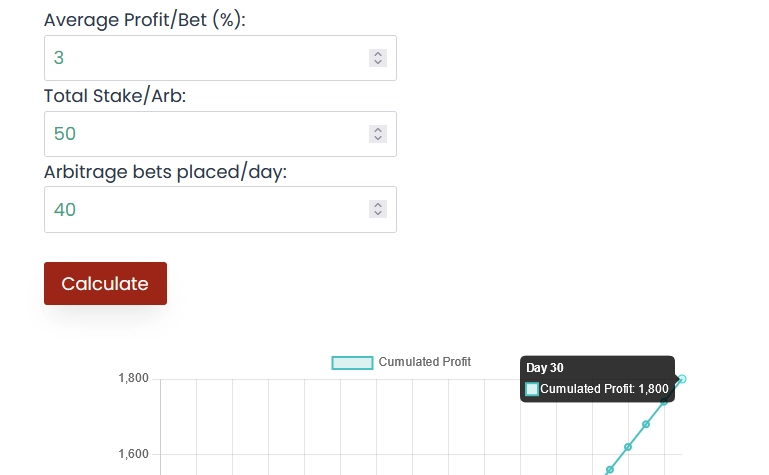
Arbitrage calculators help determine stake distribution, but execution errors, odds changes, and limits remain risks.
Arbitrage stake calculator example (illustration)

Pros
- Lower outcome variance compared to prediction-based betting
- Returns depend more on execution than forecasting
- Exposure to match results is reduced, not eliminated
Cons
- Opportunities are increasingly rare and short-lived
- Execution speed matters
- Accounts may be restricted due to trading patterns
Repeatedly exploiting pricing inefficiencies can lead sportsbooks to adjust limits or restrict accounts.
Because arbitrage is relatively easy to detect, its long-term scalability is limited.

With access to many sportsbooks and disciplined execution, some bettors still use this method as a supplemental strategy, not a primary income source.
Monthly results vary significantly, and expectations should remain conservative.

Further details about arbitrage mechanics and limitations are covered in my dedicated educational articles.
2. Using bookmaker bonuses through matched betting
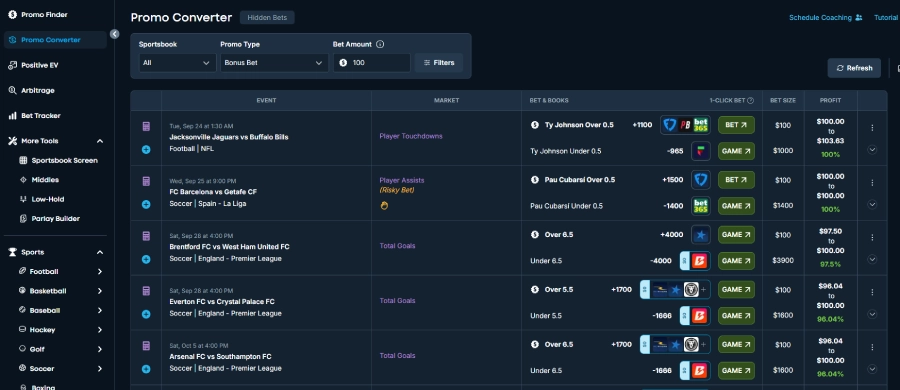
Matched betting uses sportsbook promotions to reduce dependence on match outcomes.
Most bookmakers offer bonuses or free bets, which can be structured to limit exposure when executed carefully.
The core principle involves placing a qualifying bet and offsetting the opposing outcome elsewhere.
This process is designed to meet wagering requirements, not to generate unlimited profit.
Pros
- Lower learning curve
- Smaller starting bankroll required
- Useful for understanding odds mechanics
Cons
- Limited by bonus availability
- Requires access to many sportsbooks
- Returns decrease as offers expire
In practice, bettors often look for qualifying bets with minimal expected loss, though results vary.
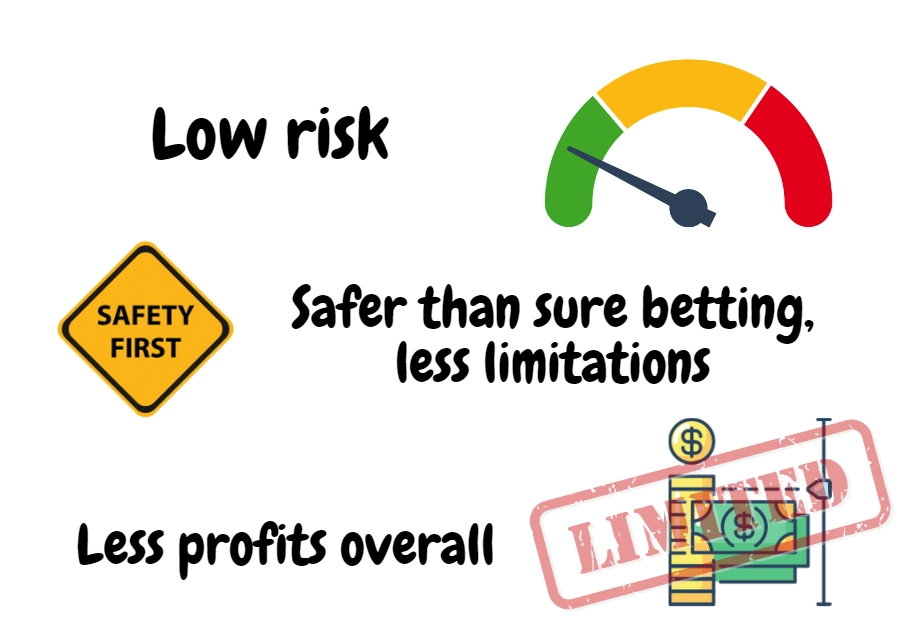
Some users report modest daily averages during early stages, but results decline over time.
Matched betting is best viewed as a temporary learning and bonus-utilization method, not a permanent income strategy.

3. Identifying value through probability analysis
Value betting focuses on comparing odds to estimated probabilities, without covering all outcomes.
In my experience, this approach requires more patience, stronger analysis skills, and emotional discipline.
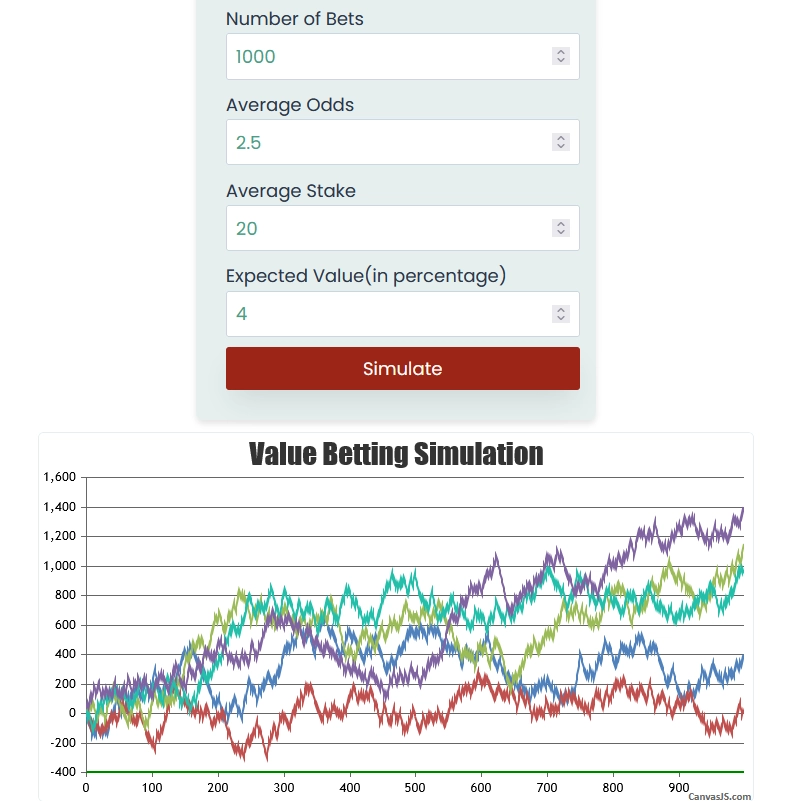
Value betting does not produce steady daily results.
Instead, it involves longer winning and losing streaks, even when the strategy is sound.
Pros
- Can be efficient over long samples
- Requires fewer bets than arbitrage
- Scales better conceptually
Cons
- High variance
- Income is unpredictable
- Requires accurate probability assessment
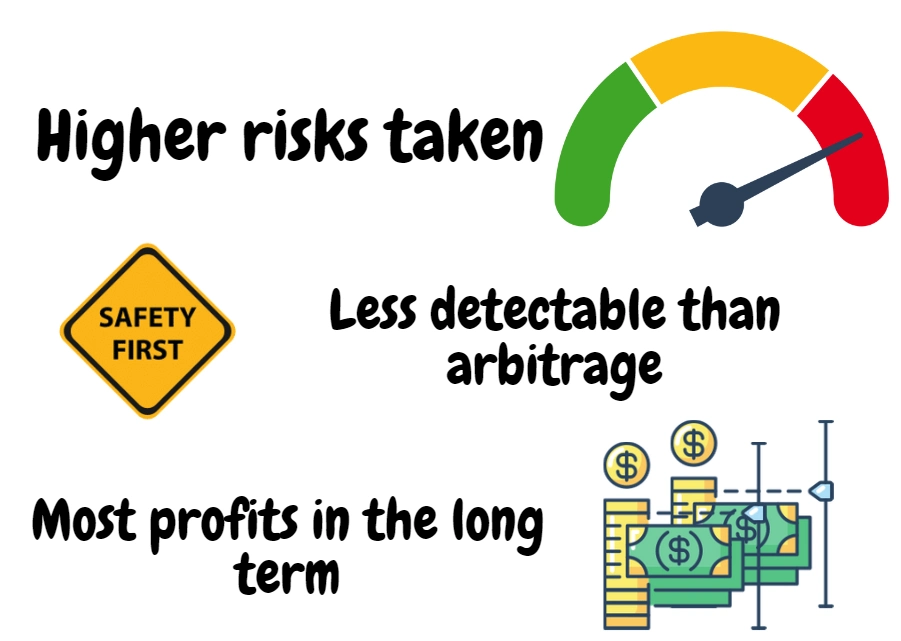
The key difference from other methods is that losses are expected, even when bets are well-selected.
The advantage lies in avoiding unnecessary hedging costs, not in eliminating risk.
4. Using a structured staking strategy
Staking strategies influence risk exposure and bankroll longevity, not guaranteed profits.
Higher daily targets usually require either larger stakes or higher volume, both of which increase scrutiny.
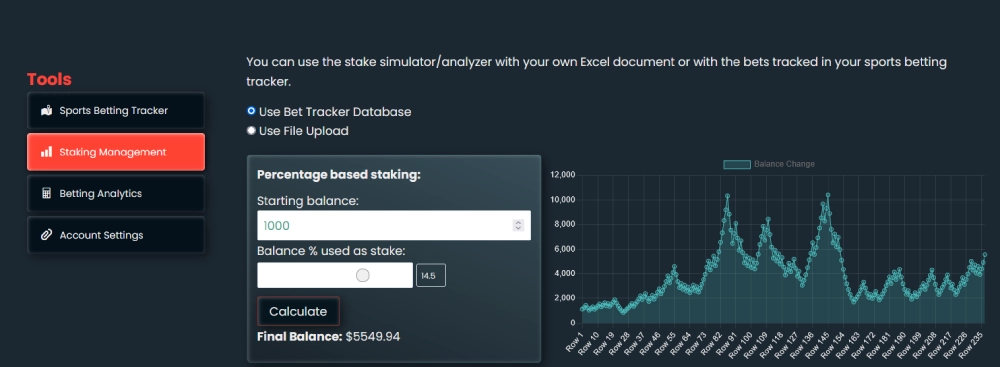
Sports betting money management strategies, such as the Kelly criterion, are used to manage variance, not to avoid losses.
Consistent daily income targets are unrealistic due to randomness and market behavior.
The goal of staking is to survive losing streaks, not to eliminate them.
5. Being cautious with tipster services
Relying solely on tipsters is rarely a sustainable long-term approach.
While some tipsters provide value, performance fluctuates and credibility varies.
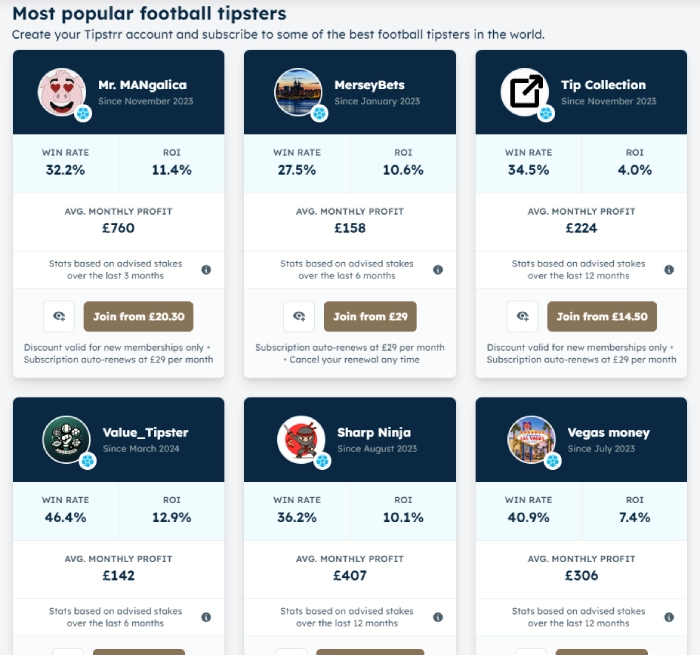
The primary advantage is time savings, not improved certainty.
However, consistent daily targets are unlikely when following third-party selections.
Pros
- Minimal research required
- Notifications simplify execution
- Low upfront effort
Cons
- Results are inconsistent
- Odds availability varies
- Trust verification is difficult
Many public records are selectively presented, which can distort expectations.
Developing independent analysis skills often leads to more stable long-term outcomes.
How many bettors are consistently profitable?
Many services claim profitability, but verifying long-term results is difficult.
Most consistently successful bettors do not publicly share their methods.
Industry estimates often suggest that only a small minority of bettors, roughly 2–4%, achieve long-term profitability.
Professional bettors tend to protect their strategies because market efficiency increases as more people exploit the same edges and also because of the limitations of football betting systems they use.
As inefficiencies are identified, sportsbooks adjust quickly.
Sustainable profitability depends more on discipline, adaptation, and risk control than secrecy.
Conclusion
Strategies such as arbitrage and value betting focus on pricing inefficiencies rather than predictions, which can improve decision quality.
However, expecting a fixed daily income from sports betting is unrealistic.
Progress requires time, experience, and realistic expectations, not guarantees.
FAQ
Can you earn $100 a day consistently from sports betting long term?
In most cases, no.
Account limits, variance, and market efficiency make fixed daily income targets unsustainable.
