
Commonly Discussed Sports Betting “Cheats” & Their Reality
Many bettors look for ways to gain an advantage in sports betting and often describe this search using words like “cheats” or “hacks.”
In reality, long-term betting success is not achieved by breaking systems, but by understanding how markets work and where inefficiencies occasionally appear.
In this article, I describe several widely discussed betting approaches that aim to improve decision-making over time, rather than literal cheating.
These methods are not illegal or unethical on their own.
Instead, they involve analyzing odds, promotions, or market behavior to reduce disadvantages faced by bettors.
⚠️ Important Legal & Risk Disclosure
Sports betting laws, regulations, and permitted practices vary significantly by country, state, and jurisdiction. The information on this page is provided for educational and informational purposes only and does not constitute financial, legal, or gambling advice.
Sports betting always involves financial risk, including the possibility of losing part or all of the money wagered. No betting strategy, software, or method can guarantee profits or consistent outcomes.
Some strategies discussed may be restricted, limited, or discouraged by certain bookmakers, and availability depends on local laws, bookmaker terms, and individual account status.
Readers are responsible for ensuring that any betting activity they engage in is legal in their location and complies with the terms of the betting platforms they use.
Are there legal ways to gain an edge in sports betting?
1. Covering multiple outcomes through arbitrage structures
Arbitrage betting is often informally described as “gaming the system,” but in practice it involves identifying temporary odds differences between bookmakers.
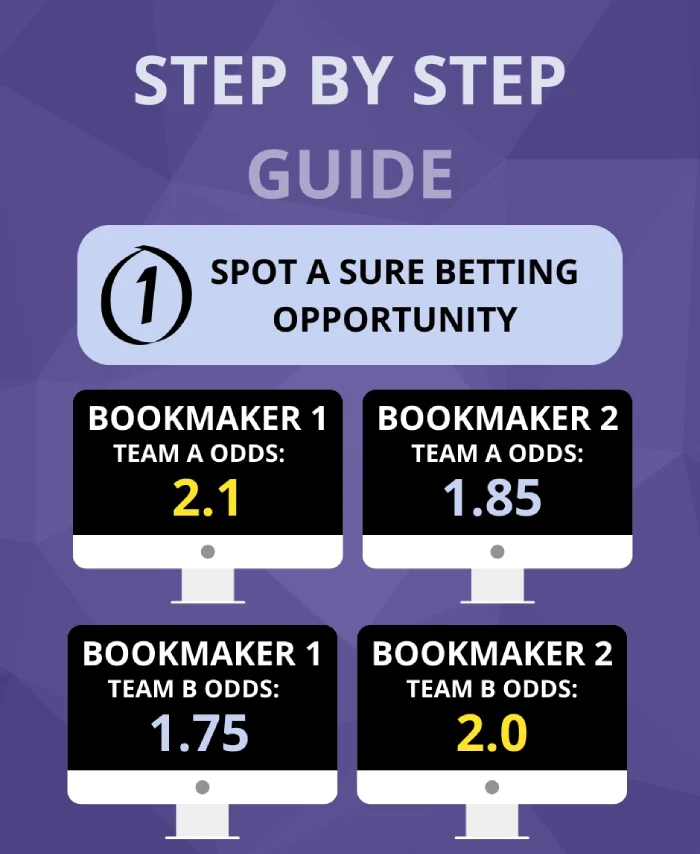
This method attempts to balance exposure across outcomes, but it does not eliminate operational or execution risk.
Specialized tools are often used to scan odds across markets, as manual comparison is impractical.
While arbitrage betting can reduce outcome-based variance, it requires time, access to multiple sportsbooks, and careful stake calculation.
Bookmakers may respond to repeated arbitrage activity by restricting account limits, which affects long-term feasibility.
Further educational resources on the topic of arbitrage betting here.
2. Use the loophole opened by bonus offers
Matched betting is sometimes labeled as a “hack,” but it is more accurately described as structured bonus utilization.
This approach involves sportsbook promotions such as free bets or deposit bonuses, each with specific terms and wagering requirements.
The standard method pairs a qualifying bet with an opposing position elsewhere to reduce exposure to the sporting outcome.

While matched betting can reduce short-term risk when executed carefully, mistakes in stake sizing or bonus conditions can still lead to losses.
Bookmakers may also restrict accounts that display consistent promotional exploitation.
Managing multiple bonuses requires organization, time, and detailed record-keeping.
Relevant article: read more about matched betting in the USA here.
3. Identifying long-term inefficiencies through value betting
Value betting focuses on situations where offered odds appear higher than estimated probabilities, based on analysis rather than certainty.
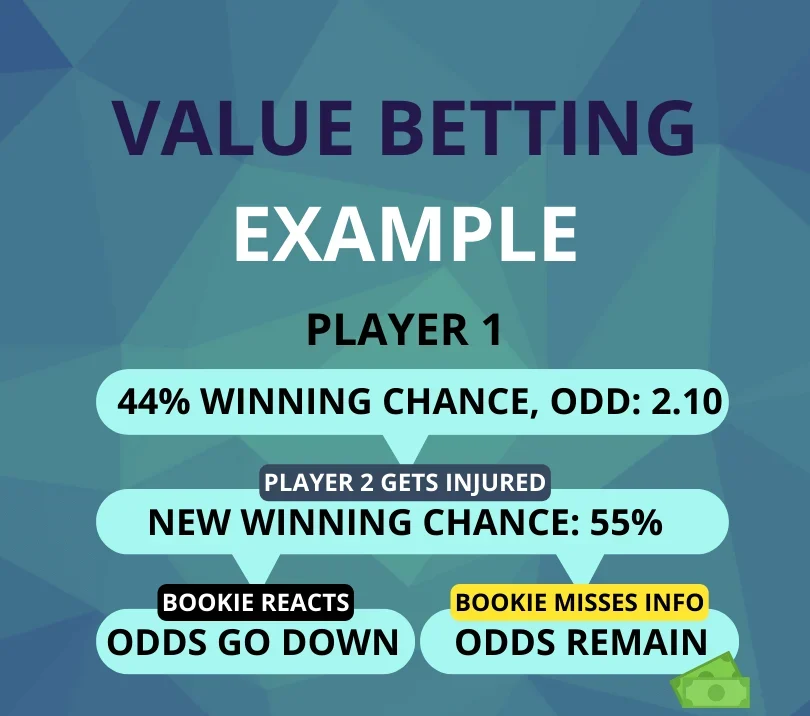
This method relies on accurate probability assessment, either through independent analysis or analytical tools.
Value betting does not guarantee short-term success and typically involves extended winning and losing streaks.
While legal, value betting can lead to stake restrictions if patterns indicate consistent edge exploitation.
It requires discipline, emotional control, and acceptance of variance.
Make sure to check this calculator for odds probability to understand the risk behind low/high odds.
Relevant article: Mathematics in sports betting.
4. Using artificial intelligence and advanced models responsibly
Artificial intelligence and machine-learning tools are increasingly used to analyze large datasets and identify patterns, rather than to “hack” outcomes.

These systems can support decision-making, but their effectiveness depends on data quality, model design, and correct interpretation.
AI-based insights do not remove uncertainty and should be viewed as analytical aids, not guarantees.
The ethical and practical implications of AI in betting continue to evolve. AI-based betting forecasts (and their limitations) seem to not deliver the promise.
5. Applying statistical analysis correctly
Statistical betting approaches rely on data analysis, historical trends, and probability modeling, not system manipulation.
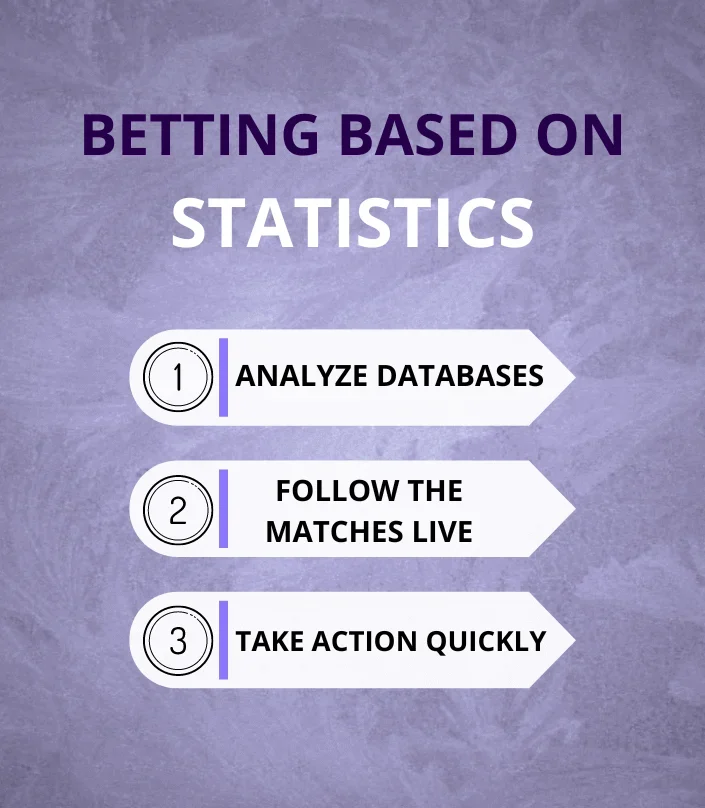
Effective statistical analysis requires strong analytical skills and sport-specific knowledge.
Collecting, processing, and interpreting data demands significant time and effort.
While permitted by bookmakers, consistent statistical success may still lead to account scrutiny or stake limits.
This approach emphasizes preparation and discipline rather than shortcuts.
6. Managing risk through disciplined stake sizing
Stake management is sometimes misunderstood as a “hack,” but it is fundamentally a risk-control technique.
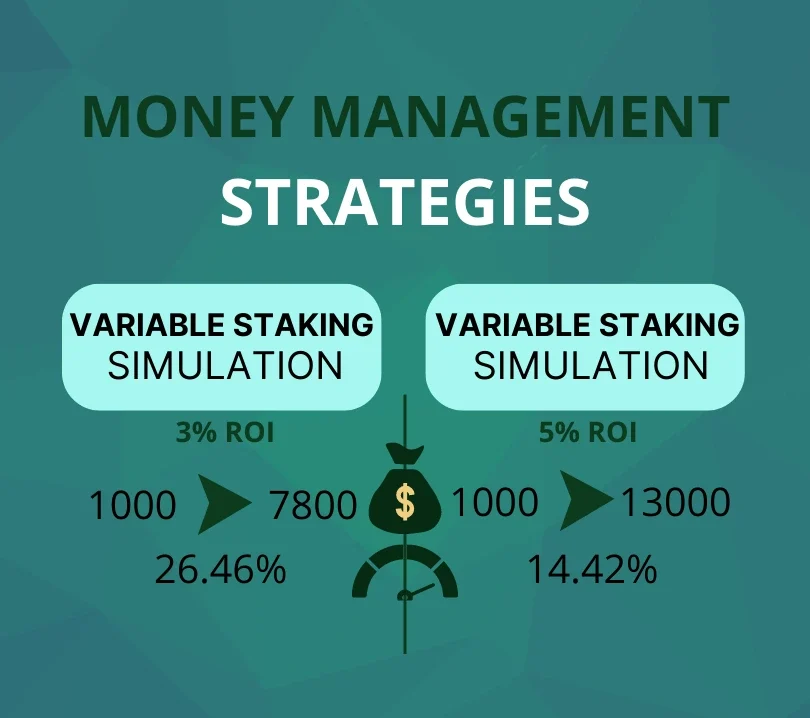
This approach involves defining a bankroll, selecting stake sizes based on risk tolerance, and avoiding emotionally driven decisions.
Proper money management strategy reduces the likelihood of catastrophic losses and supports long-term participation.
It does not guarantee profit, but it improves consistency compared to unstructured betting.
7. Trading on betting exchanges
Sports trading involves buying and selling positions on betting exchanges, rather than placing traditional fixed bets.
This method resembles financial trading, where participants attempt to benefit from odds movement rather than match results.
Common techniques include backing and laying selections at different prices to lock in small margins.
Basic exchange strategies, such as scalping, require fast execution and constant market monitoring.
Sports trading can reduce exposure to match outcomes, but it demands time, experience, and emotional discipline.
Quick decision-making under pressure is essential, and losses remain possible.
Make sure to also check our historical tipster performance data in the following article.
Conclusion
Many structured football betting approaches often described as “cheats” or “hacks” are better understood as analytical approaches to odds, promotions, and market behavior.
While some methods may temporarily improve decision quality, no strategy eliminates risk or guarantees profits.
Long-term participation in sports betting depends on knowledge, discipline, realistic expectations, and responsible behavior.
By focusing on these fundamentals rather than shortcuts, bettors are more likely to achieve sustainable and informed outcomes over time.
